
In Conversation
Richard Vedelago, Windsor Gallery Founder
Windsor Gallery is becoming a prominent player in the West African art scene, expanding its influence from Lagos to Abuja and Abidjan in just a few short years. This growth signals not only the gallery's ambition but also its commitment to creating a platform for contemporary African art.
SHARE
6 Mins Read
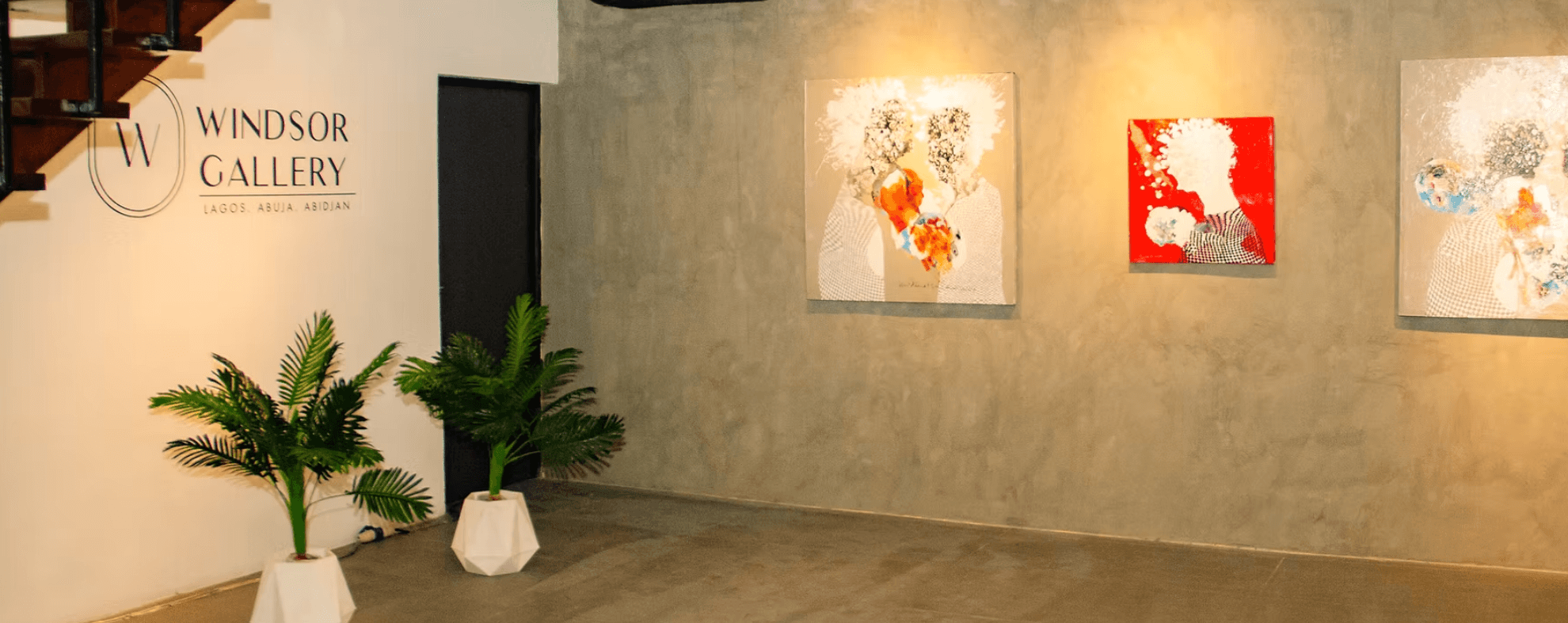
In our interview with the founder, Richard Vedelago, Art Report Africa explores the driving force behind Windsor Gallery's success, its approach to curating exhibitions across different cities, and how it strikes a balance between commercial success and artistic integrity.
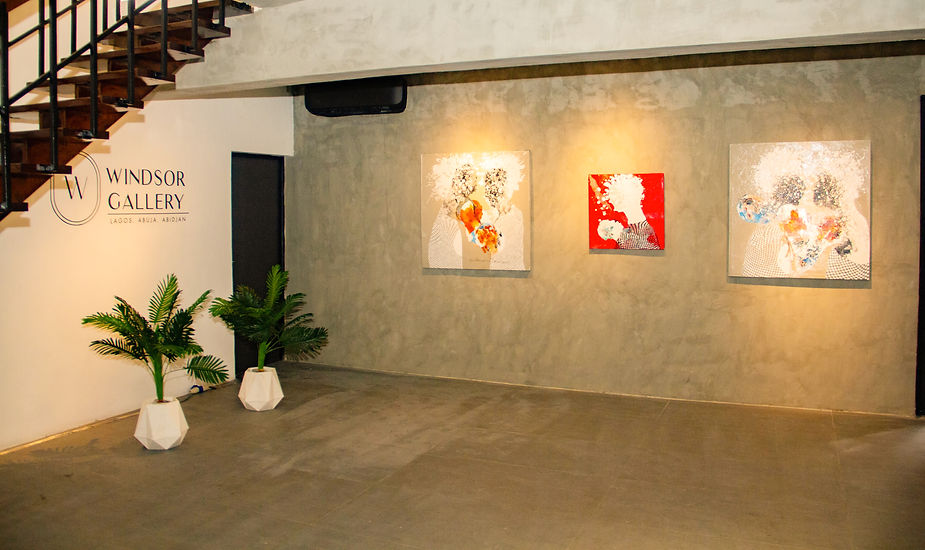
Art Report Africa: Windsor Gallery has grown rapidly since its opening, now with branches in Lagos, Abuja, and Abidjan. What has been the driving force behind this expansion, and how do you manage the challenges of operating in these diverse cultural landscapes?
Richard Vedelago: The growth of Windsor Gallery has been driven by our mission to foster an open dialogue on African contemporary art across the continent. We’ve pursued a strategy of expanding into key cities, ensuring that the art scene in Africa is more interconnected and reflective of the diverse creativity within the region. By establishing branches in Lagos, Abuja, and Abidjan, we aim to create platforms where artists can share their work across borders, while also keeping the art within Africa, and enriching the dialogue surrounding African art.
The main challenges we've encountered include navigating the varying fiscal and legal regulations related to art across different countries. Establishing the necessary business infrastructure and adjusting to the fiscal landscape has been an ongoing effort. However, from a cultural standpoint, we’ve seen art as a universal product that transcends boundaries. We continuously strive to create exhibitions that are both culturally relevant and that foster a shift in how art is perceived and experienced across different countries.

Art Report Africa: What has been the most significant challenges in establishing a strong presence in the West African art scene? How have these challenges differed between your locations in Lagos, Abuja, and Abidjan?
RV: One of the most significant challenges in establishing a presence in West Africa has been the logistical difficulty of moving art around the continent. There’s a lack of robust infrastructure and fragmented customs regulations, making the transportation of art a costly and time-consuming process. Additionally, import laws often vary greatly between countries, further complicating cross-border movement.
Another challenge has been educating the public on the value of contemporary African art. While there is tremendous potential within the global art market, which is valued at around $67 billion, Africa’s participation is still limited. We are working to change this by fostering appreciation for contemporary art, ensuring that both the public and collectors recognize its cultural and financial significance.
ARA: How do you approach curating exhibitions in cities with distinct artistic histories and sensibilities like Lagos, Abuja, and Abidjan? Do you tailor your programming to each city’s cultural context, or do you maintain a unified vision across all branches?
RV: While we maintain a unified vision across all Windsor Gallery branches, we also ensure that our exhibitions are sensitive to the local cultural context of each city. In cities like Lagos, Abuja, and Abidjan, which have distinct artistic histories and sensibilities, we work with artists who bring fresh perspectives and different artistic styles to the forefront.
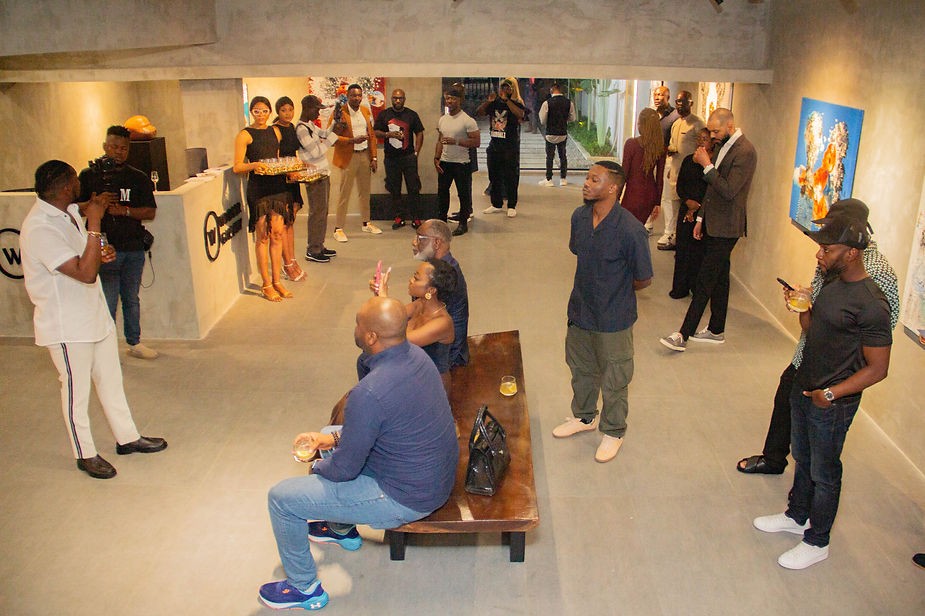
Curating exhibitions that provoke thought and introspection is at the core of what we do. We believe that contemporary art should not only reflect societal issues but also challenge viewers to think beyond the present. By fostering these conversations, we aim to create shows that not only educate but also inspire people to engage deeply with the art.
In an increasingly commercialized art world, how does Windsor Gallery balance the need for commercial success with the gallery’s commitment to artistic integrity and innovation? At Windsor Gallery, we believe that the commercial success of art should not overshadow its artistic integrity. Our approach focuses on building a business model that respects the value of art as a personal and subjective experience. We curate exhibitions where the artistic perspective takes precedence over the price tag.
We’ve seen that sometimes artworks priced at a lower point are technically superior to those at a higher price. Therefore, we remain committed to showcasing art based on the merit of the artist's vision and body of work, ensuring that integrity guides our curatorial decisions.

ARA: What role does Windsor Gallery play in nurturing emerging artists in West Africa? How do you ensure that you provide the necessary support for both rising talents and established names across these diverse markets?
RV: To support emerging artists, we’ve developed a program called Futura, an open-air gallery in Abidjan that focuses on giving young artists a platform. Through Futura, artists can showcase their work and engage in workshops that teach them about the business side of art, from contracts to financial management, marketing, and more.
We believe that nurturing emerging talent goes beyond just providing exhibition space. Our goal is to help artists develop a well-rounded understanding of the art industry, ensuring they have the tools they need to succeed both artistically and commercially. This approach to artist development is something we plan to replicate as we expand across the continent.
ARA: With the gallery’s rapid expansion, how do you maintain quality and consistency in your exhibitions, artist relationships, and overall artistic vision across the branches?
RV: I’m fortunate to work with an incredibly talented and passionate team dedicated to upholding the gallery’s vision and standards. The wealth of artistic talent across Africa means we have no shortage of artists whose work aligns with our mission.
We rely on strong collaboration with curators and industry experts who share our commitment to artistic excellence. Through these relationships, we’ve been able to ensure that each exhibition, regardless of location, reflects the highest level of quality. We are also grateful for the support we’ve received from the artist community, which continuously motivates us to maintain our vision.
ARA: Operating in multiple cities across West Africa comes with various socio-political and economic dynamics. How do these factors influence your gallery’s strategy, artist selection, and engagement with collectors and art patrons?
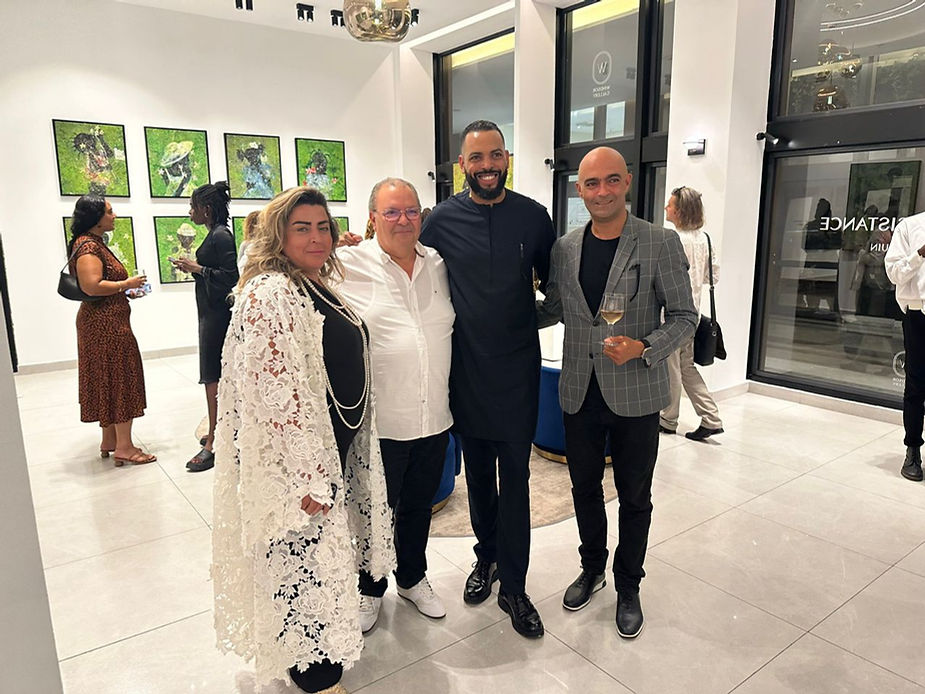
RV: Socio-political and economic factors undoubtedly shape the art landscape, but our focus remains on creating exhibitions that reflect our truth and vision. Regardless of the market conditions, we maintain a consistent approach to artist selection, prioritizing works that are meaningful and resonate with both local and international audiences.
Collectors and patrons in each city bring their own perspectives, and we actively engage with these communities to ensure that our exhibitions remain relevant while pushing boundaries.
ARA: What long-term vision does Windsor Gallery have for the future? Are there plans to expand beyond West Africa, or are you focusing on deepening your influence within the region?
RV: We have ambitious plans for the future. Within the next five years, we aim to open 20 galleries across Africa, including new locations in Southern, Central, and East Africa. Additionally, we will be opening our first European gallery in Rome next year.
Our goal is to become a global player with deep roots in Africa. This includes not only gallery spaces but also building a comprehensive art platform with artist residencies, art fairs, and art supply stores. We envision Africa becoming the destination of choice for contemporary art globally.
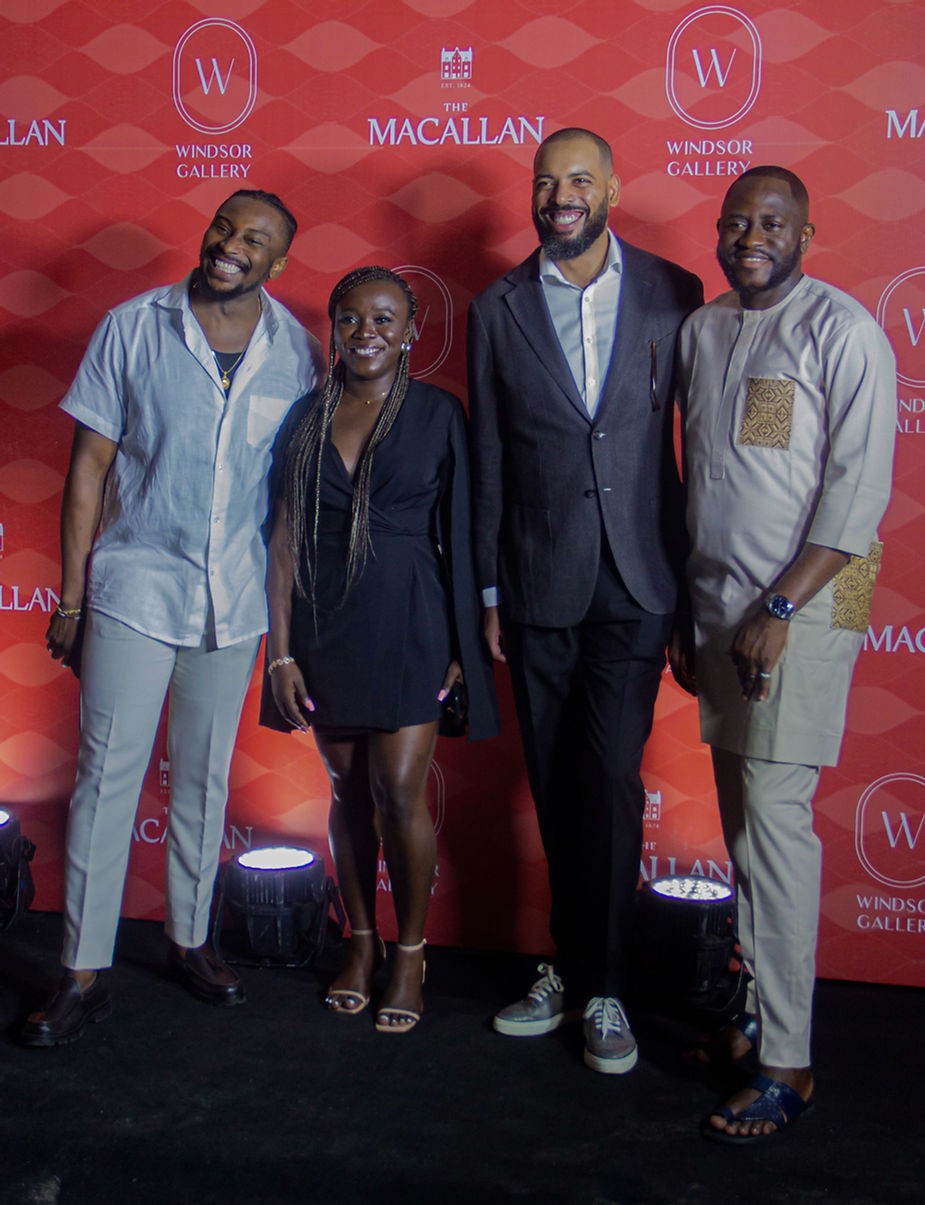
ARA: How has the gallery’s presence in Abidjan influenced the broader conversation around African contemporary art, especially as this city is often overshadowed by more dominant art hubs like Lagos and Johannesburg?
RV: Abidjan has a rich artistic heritage, and its significance in the African art scene should not be underestimated. The city has produced world-renowned artists, such as Aboudia, and has a vibrant creative community.
Windsor Gallery’s presence in Abidjan has helped elevate the city’s profile, fostering deeper conversations about African contemporary art. By hosting exhibitions and connecting local artists with a global audience, we aim to ensure that Abidjan’s unique artistic voice continues to thrive.

ARA: What initiatives or strategies does Windsor Gallery employ to ensure that it is contributing meaningfully to the local art ecosystems in Lagos, Abuja, and Abidjan, beyond just showcasing and selling art?
RV: At Windsor Gallery, we view our role as community builders. We create spaces that encourage collaboration and dialogue among artists, collectors, and the public. Our strategy includes incorporating elements like fashion and gastronomy into our exhibitions, creating a more immersive and multifaceted experience.
Our focus is on pushing the boundaries of what an art gallery can be, creating an ecosystem where art is not only showcased but celebrated in ways that resonate with the local culture.
more stories
In Conversation
The fair’s artistic director on pairing photography with works on paper, how Paris differs from London, and why an artist’s first gesture on paper matters.
8 Mins Read

In Conversation
Following its European premiere at the BFI London Film Festival, Daniel Oriahi discusses the demands of adapting Lola Shoneyin’s novel for the screen and the complications of Nollywood’s storytelling heritage.
6 Mins. Read
In Conversation
In his first solo exhibition in Ghana, Frank Coffie builds paintings backwards — yarn first, paint last — from family memory, discarded fabric and pain.
8 mins Read

In Conversation
In When the Center Holds, the Nigerian artist speaks with Sabo Kpade about suspension, memory, postcolonial thought, colour and why drawing becomes an x-ray into painting.
6 Mins Read

In Conversation
The painter on returning to Accra, colliding London with Obuasi, and why she lets a painting go above 90 percent.
8 Mins Read

In Conversation
Recorded at ARAMI, Lagos, during a press preview for Pure Water, Chika Idu’s solo exhibition with SMO Contemporary Art. In conversation with Sunshine Alaibe, Idu traces water through childhood drought, environmental precarity, the Atlantic slave trade and the changing representation of women in his work. By Sunshine Alaibe Edited by Sabo Kpade 17 September 2026. This conversation has been condensed, reordered and edited for clarity.
10 Mins Read

In Conversation
Gabriel Selassie Tsagli left Ghana at eleven and lived in Germany for twenty-six years. He returned to Accra in 2024 and made the paintings in Son of Kafui—his first proper solo exhibition at home—in a single stretch between February and this summer. He does not use a colour palette, works on many canvases at once, and calls the show a graduation. This conversation was recorded in Accra in August 2026 and has been edited and condensed for length and clarity.
6 Mins Read

In Conversation
Orry Shenjobi on her Venice residency: raffia craftwork, studio life, and what she learned — with takeaways for artists eyeing their own residency.
4 Mins Read

In Conversation
Ralph Waldo Emerson, in his essay "Society and Solitude," wrote, "We do not believe our own thought; we must serve somebody; we must quote somebody; we dote on the old and the distant; we are tickled by great names; we quote their opinions; we cite their laws." For Ikechukwu Nduka, he stands as the antithesis of the society Emerson critiques. He defied societal expectations and familial disapproval to pursue his passion for art, successfully contending the dependence on the opinions of others. "They say art is therapy, but while creative minds like us are creating this 'therapy', I think we need it the most, or rather we need it first." He aptly expressed the stark pressure.
7 Mins Read

In Conversation
In Ethiopia, women vendors are often overlooked and marginalized, despite being the backbone of the market. Their struggles are perpetuated by societal perceptions of their stature. Challenging these norms, Tadesse Mesfin's solo exhibition, "Where We Coalesce," currently on view at Addis Fine Art (until November 30, 2024), seeks to reframe the narrative surrounding Ethiopian women.
5 Mins Read

In Conversation
In the midst of shifting societal norms and increasing complexity around identity, "Freedom in Multitudes" asks important questions about Black and African identity. Through the work of nine international artists, this 1897 Gallery exhibition explores the nuances of self-expression.
5 Mins Read

In Conversation
On this podcast, we delve into the stories of Key Industry Players in different art ecosystems on the African continent. We speak to Gallerists, Art Historians, Curators, Advisors & Art Directors to get insight on their markets domestically.
1 Min Read

In Conversation
Within Nigeria’s creative scene, Olufisayo Bakare stands as a multifaceted force. Born in Lagos to a family with a rich art and design heritage, her interests took her through the intricacies of various industries. From aspiring artist to entrepreneur and curator, Olufisayo is the visionary behind the brand, interior Living (Intlvng) and The Yellow of Lagos.
7 Mins Read